
Helping Your Local Backyard Birds
There are multiple ways you can help birds in your own backyard!
1. Native Plants and Vegetation
Native plants provide natural food and shelter resources, such as berries, seeds, and nectar, while attracting local insects and therefore native birds and other wildlife to your area.
Many native California plants are also drought-tolerant, so they require less watering than non-native plants. Consider planting flowering plants that bloom at different times of the year to provide nectar year-round.
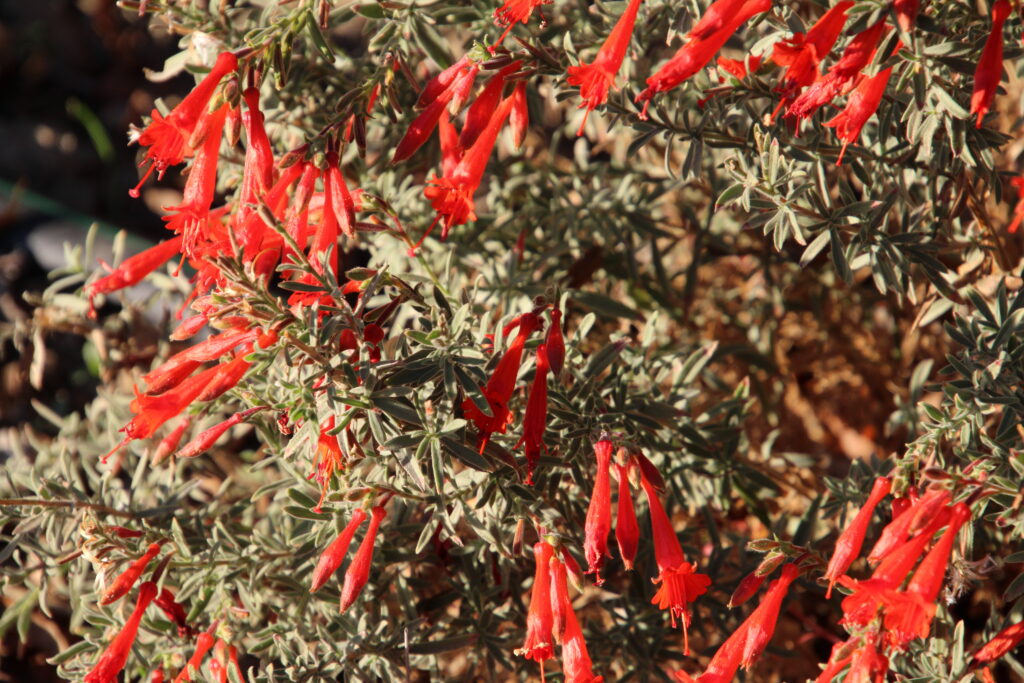
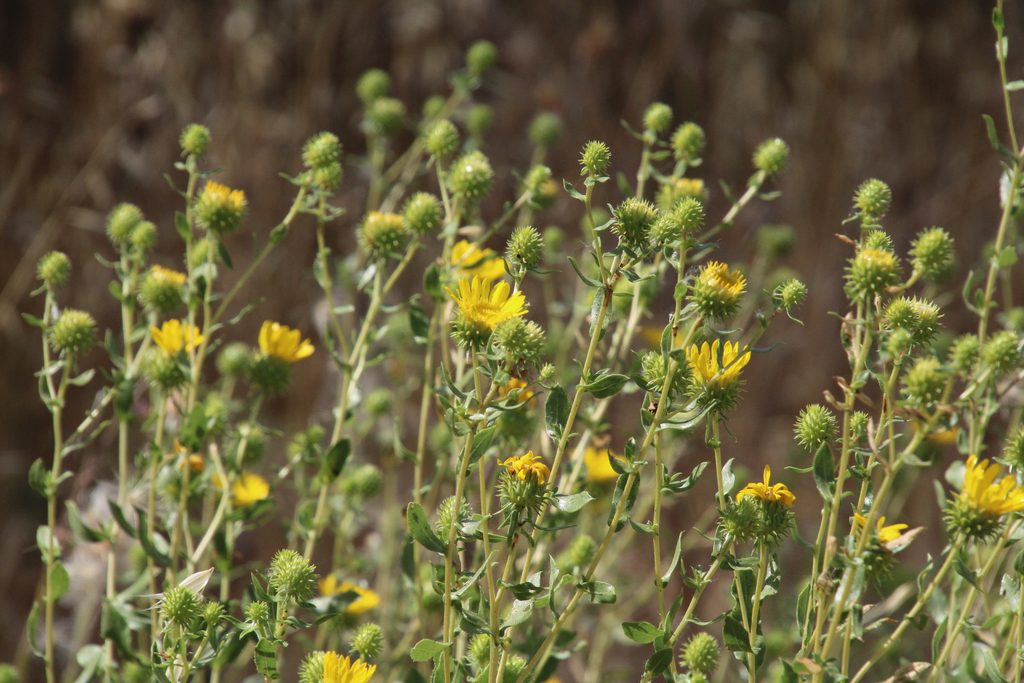
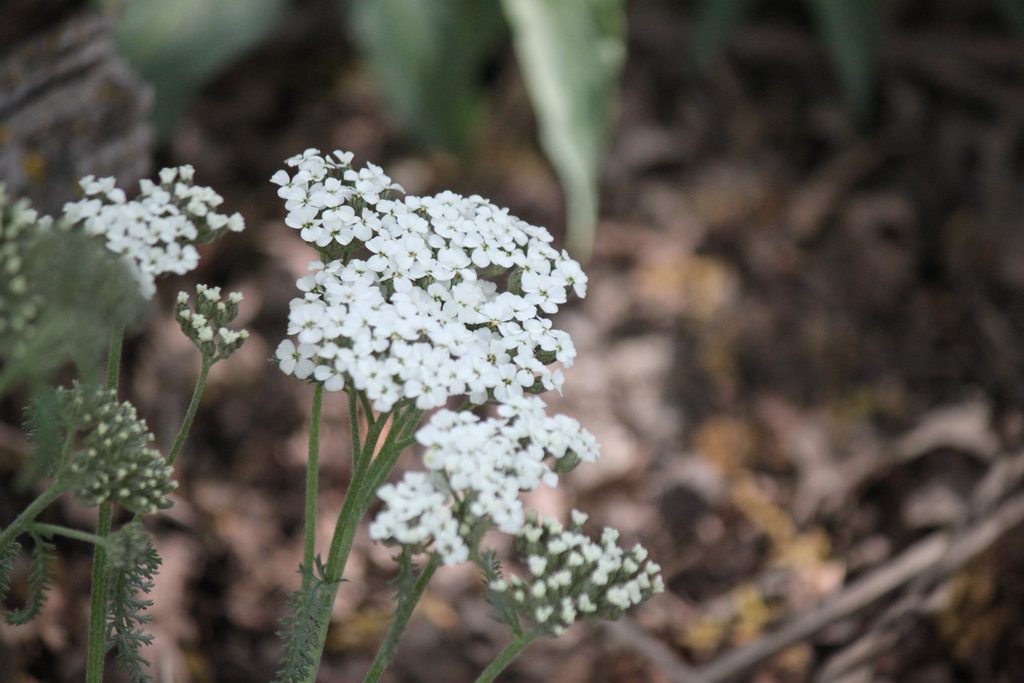
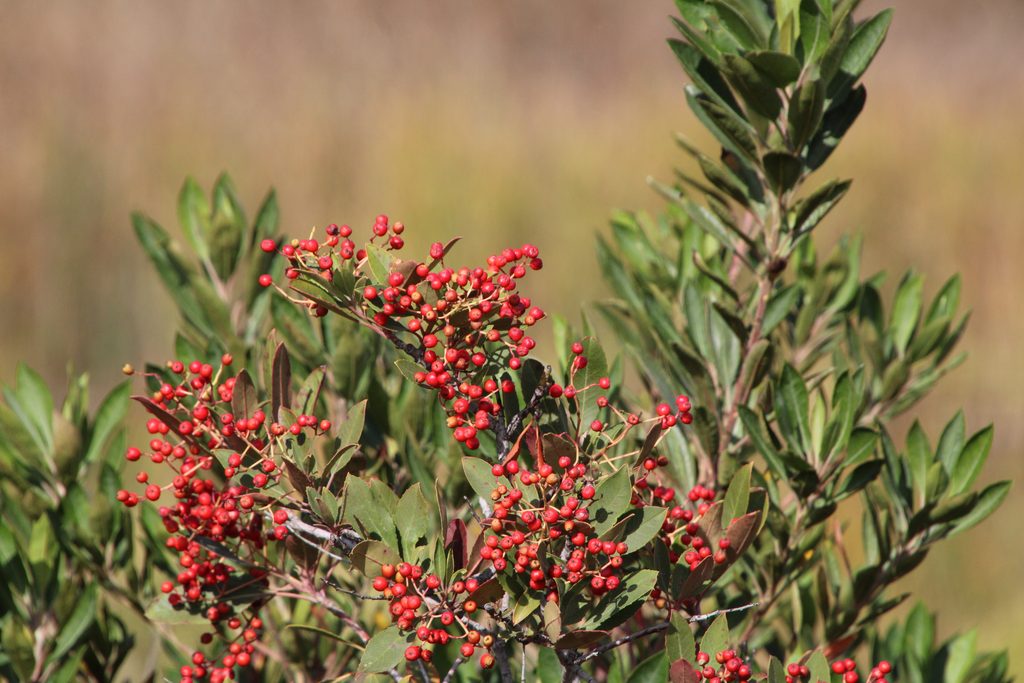
Some examples of Yolo County native plants you can find at most retail nurseries:
- Yarrow (Achillea millefolium)
- Valley gumplant (Grindelia camporun)
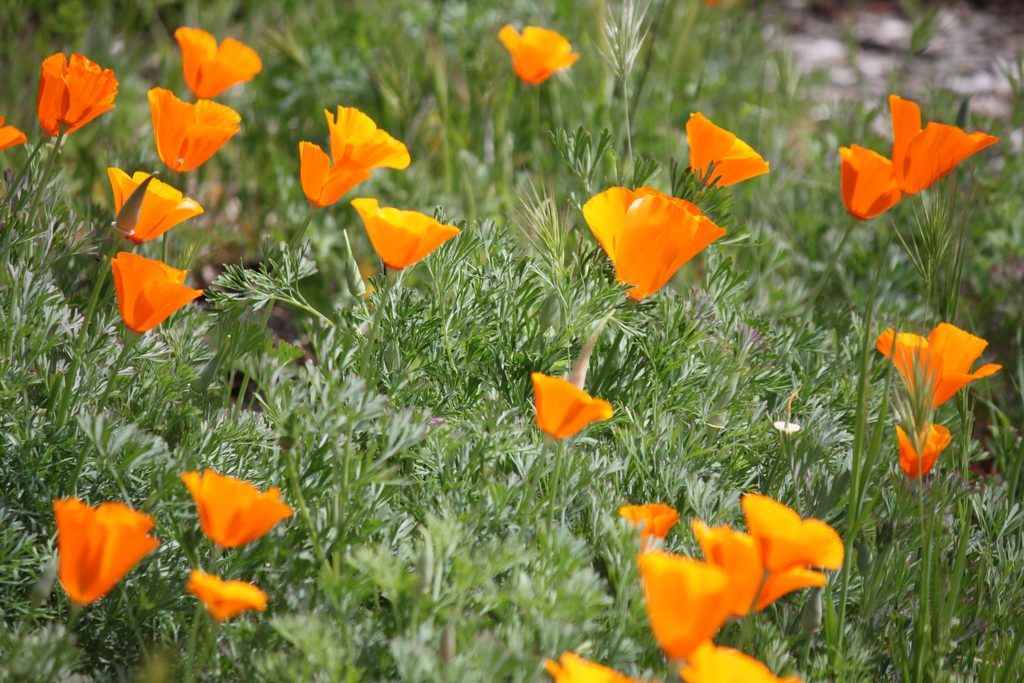
- California poppy (Eschscholzia californica)
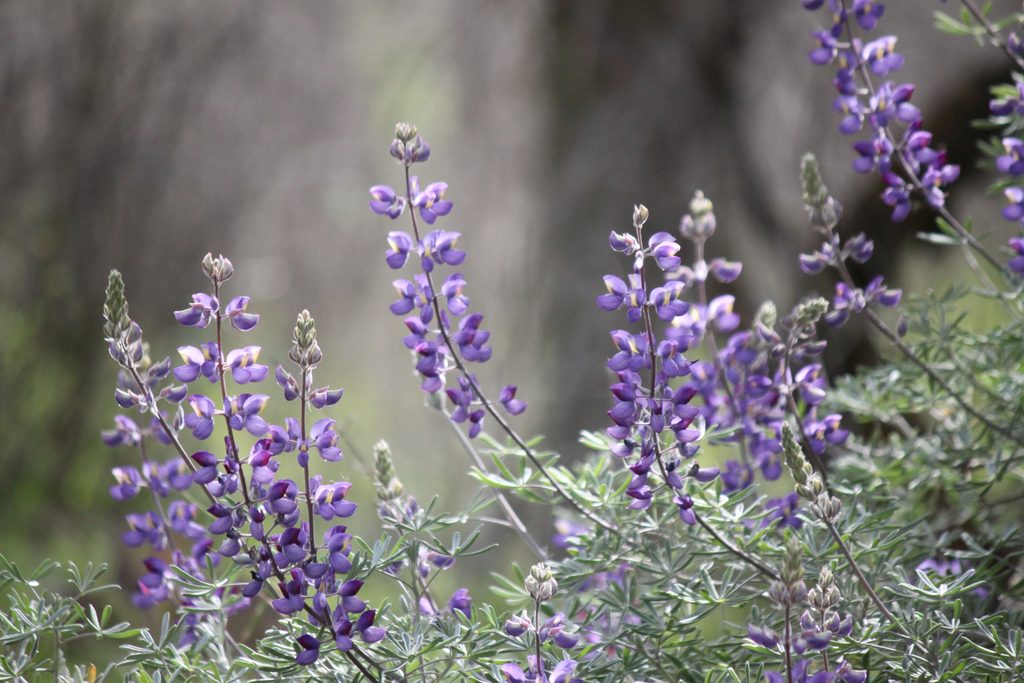
- Silverbush lupine (Lupinus albifrons)
- California fuchsia (Epilobium canum)
- Toyon (Heteromeles arbutifolia)
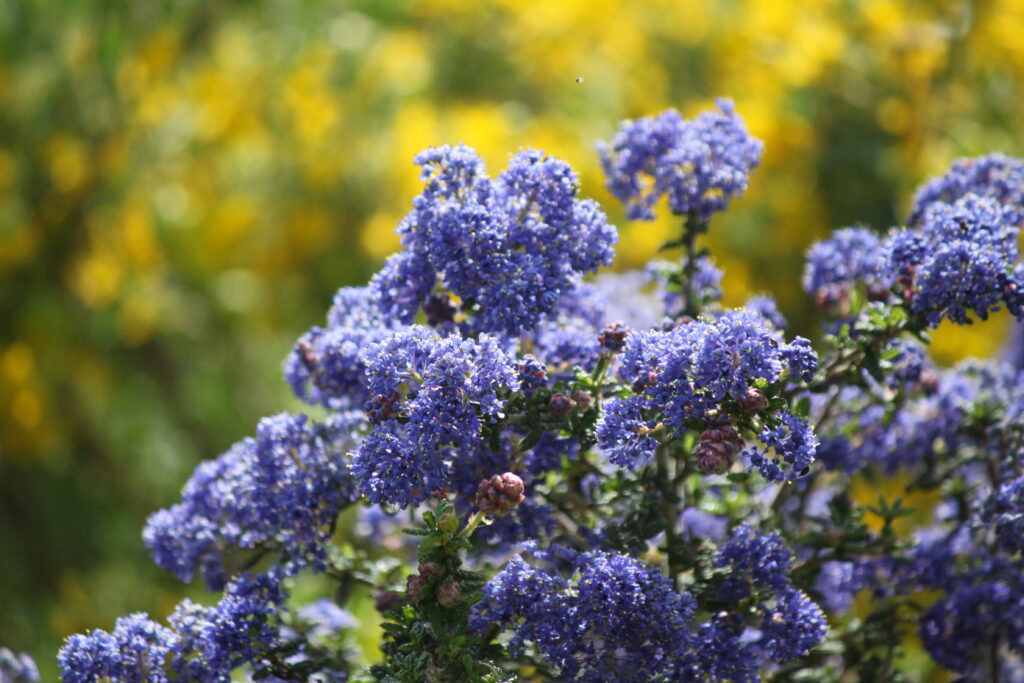
- California lilac (Ceanothus ‘variety‘)
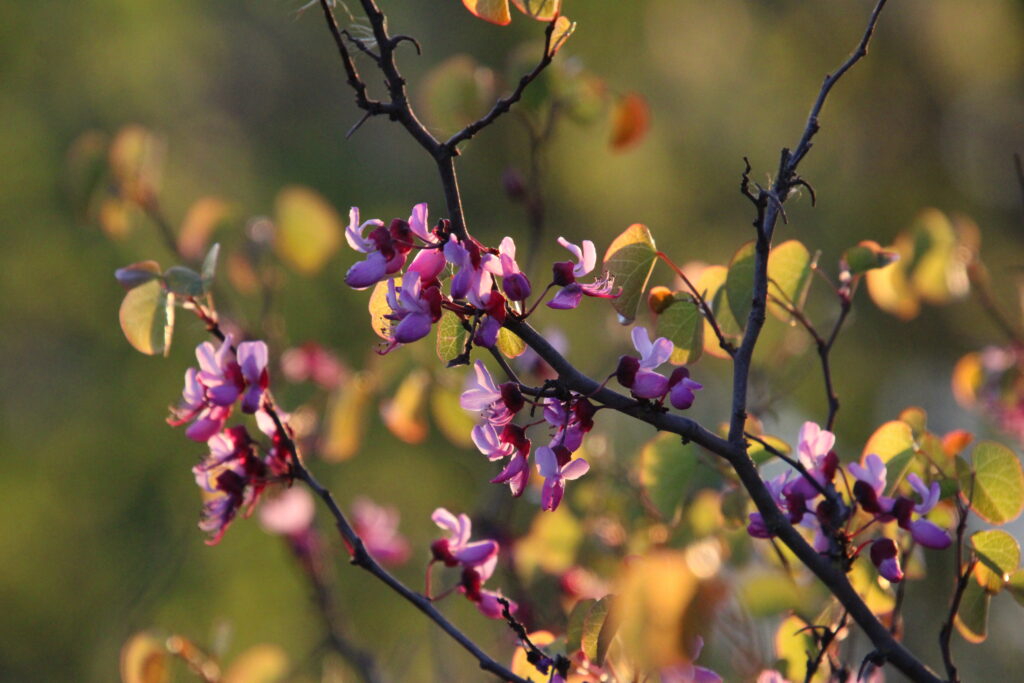
- Western Redbud (Cercis occidentalis)
2. Bird Feeds and Baths
Bird feeders can be an enriching birding experience for those who observe them, while providing supplemental food resources for backyard birds. Feeders and baths can be an especially valuable resource during times of food shortage or drought.
Be sure to feed birds safely and responsibly. Project FeederWatch by Cornell Lab provides best practices for feeder care to help reduce the spread of avian diseases.
There are multiple designs for feeders that are suited for different birds and settings. Kingsyard sells many bird feeders and related accessories. In 2026, they sent us a bird feeder and pole which is now installed in the Memorial Garden. Thank you Kingsyard for your partnership!
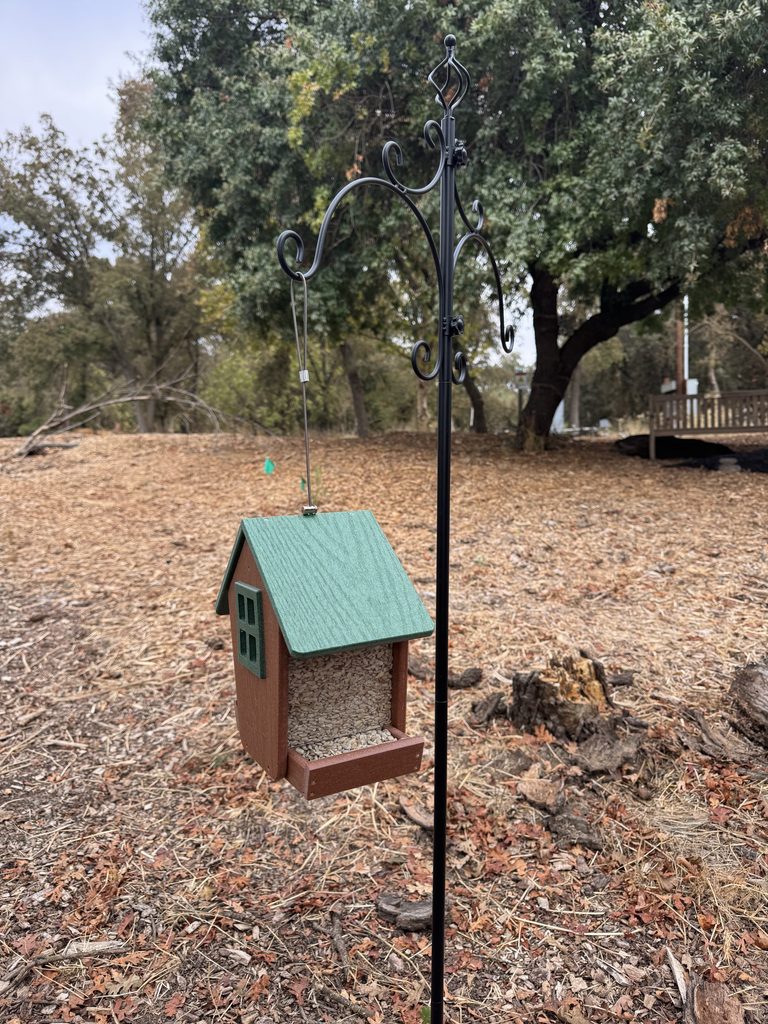
Check out some recent trail camera footage from our bird feeder and water fountain!
3. Bird Nest Boxes
A nest box is a built structure that an animal, such as a bird, can use for nesting and shelter. Bird nest boxes provide valuable habitat for nesting birds and their offspring, especially if there is a lack of nesting sites nearby. Many people put them in their backyards! We can also use nest boxes as a monitoring tool to observe what species are successfully reproducing in the area. Some of the common species that utilize nest boxes in Yolo County are tree swallows, western bluebirds, house finches, and ash-throated flycatchers. There are even bigger nest boxes for owls!
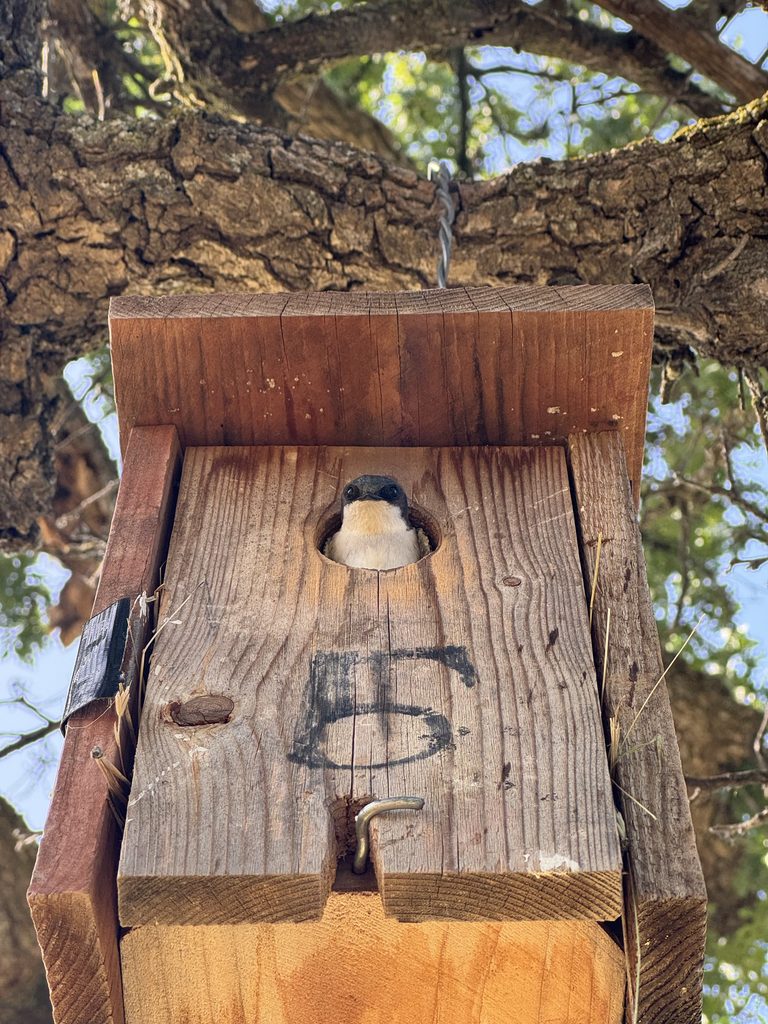
The types of nest boxes are almost as diverse as the birds that use them. Project NestWatch by Cornell Lab has many good resources for constructing nest boxes, placement, and management.
4. Hazard Reduction
There are also steps you can take to make your yard safer for birds:
- Minimize usage of pesticides or herbicides that can harm birds. Birds are also a natural form of pest control for many insects, like mosquitoes, flies, beetles, and caterpillars.
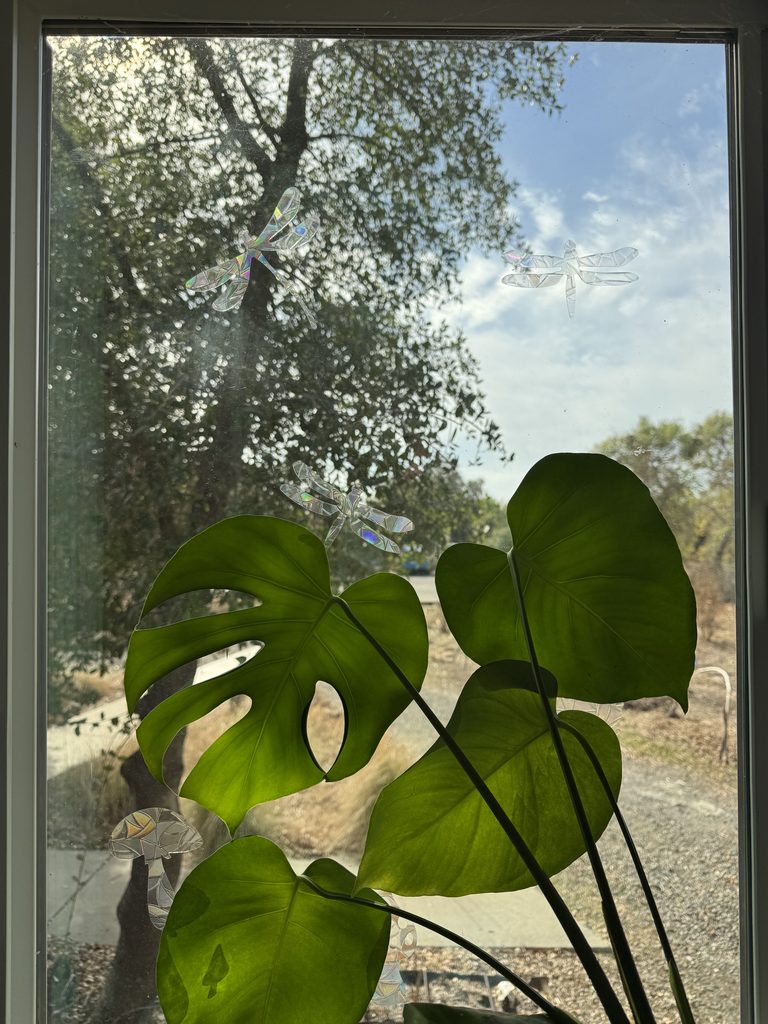
- Apply window decals, screens, or frostings to reduce window strikes. Birds often fly into windows because they cannot perceive glass as a solid barrier, or because the reflections of trees and the sky confuse them. Stickers add visual markers to glass or reflective surfaces, while also adding a small decorative element to your window.
- Turn off lights at night during peak migration season (April to May and August to November). Artificial light attracts night-migrating birds and causes them to circle the illuminated area, making them waste critical energy resources and increasing the possibility of building collisions (USFWS, 2022). The danger is higher when clouds are low or during foggy conditions, as the light is reflected further on the clouds.
- Keep pet cats indoors or supervise them when outside to reduce domestic cat predation. Estimates of bird mortalities vary, but it is estimated that in the US, free-ranging cats are responsible for 1.4 to 3 billion bird deaths per year (Loss et al., 2013). While there is still much debate about how much and to what extent cat predation is impacting wild bird populations, keeping cats inside will keep them from hunting birds and other wildlife.
References:
Loss, S. R., Will, T., & Marra, P. P. (2013). The impact of free-ranging domestic cats on wildlife of the United States. Nature Communications, 4(1). https://doi.org/10.1038/ncomms2380
Threats to birds: Collisions (nighttime lighting): U.S. Fish & Wildlife Service. FWS.gov. (2022, December 6). https://www.fws.gov/story/threats-birds-collisions-nighttime-lighting